

The Importance of Multi-Tiered Systems of Support (MTSS) in Schools

Updated: Jan 20
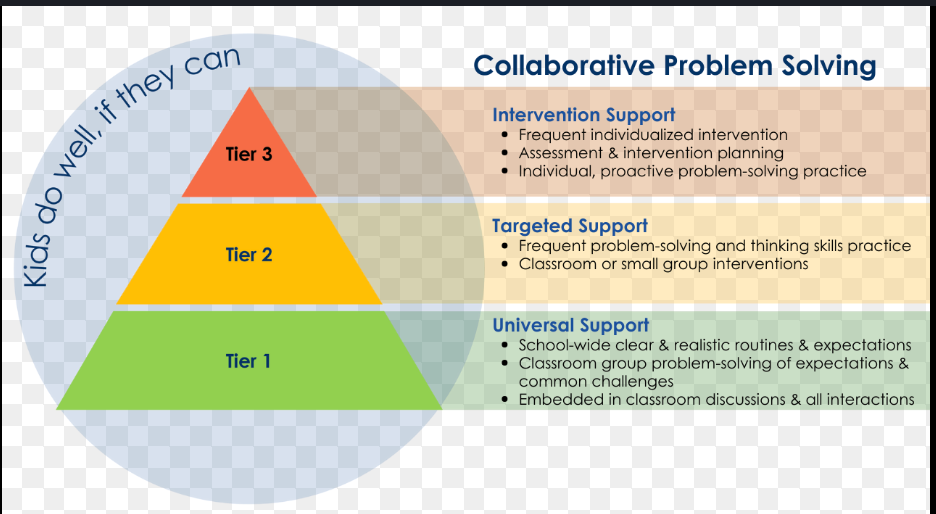
Imagine walking into a school where every student, regardless of their academic level, background, or learning need, receives the right support at the right time. That’s the goal of MTSS, or Multi-Tiered Systems of Support: a framework designed to create schools where all learners can thrive.
At Layered Education, we believe that strong systems lead to stronger outcomes. MTSS isn’t just another acronym, it’s a powerful tool for building equity, responding to student needs, and aligning instruction, intervention, and wellness in ways that are sustainable and effective.
So what exactly is MTSS, and why does it matter?
🧱 What is MTSS?
MTSS stands for Multi-Tiered System of Supports. It’s a proactive, data-driven framework used by schools to provide targeted support to students across three tiers:
🟢 Tier 1 – Universal Support
This is what every student receives: high-quality, evidence-based instruction in the general education setting. It also includes clear behavior expectations, schoolwide social-emotional learning (SEL), and regular progress monitoring.
🟡 Tier 2 – Targeted Support
For students who need more than Tier 1, Tier 2 provides small-group interventions—such as reading fluency practice, math tutoring, or behavior support groups. These supports are in addition to core instruction.
🔴 Tier 3 – Intensive, Individualized Support
Students who require even more personalized help receive Tier 3 services, often one-on-one, highly specialized, and data-driven. These may involve special education services or highly intensive academic or behavioral interventions.
🔍 Why MTSS Matters
1. It’s Proactive, Not Reactive
Traditional school systems often wait for students to “fail” before providing support. MTSS flips that approach by identifying needs early, using universal screeners and frequent data collection to flag concerns before they escalate.
2. It Supports the Whole Child
MTSS isn’t just about academics. It also encompasses behavioral, social, and emotional support, making it a holistic approach to student wellness. A child struggling in reading might also need confidence-building. MTSS helps address both.
3. It Builds Equity
When implemented with intention, MTSS ensures that students from marginalized communities are not left behind. All students are monitored, not just those with diagnoses or visible challenges. This prevents bias and ensures supports are distributed fairly and equitably.
🔄 How MTSS Differs from RTI or PBIS
You’ve probably heard terms like RTI (Response to Intervention) or PBIS (Positive Behavioral Interventions and Supports). These are components of MTSS.
RTI focuses primarily on academic interventions.
PBIS addresses schoolwide behavior supports.
MTSS is the umbrella framework that integrates both—plus SEL, attendance, engagement, and more.
Think of MTSS as the ecosystem that holds all of a school’s support structures together.
🧩 What Makes MTSS Work
Implementing MTSS successfully requires more than a checklist. It involves intentional systems, strong leadership, and a commitment to continuous improvement.
Here are the key building blocks:
✅ 1. Universal Screening
All students are assessed multiple times per year to identify academic or behavioral concerns. This includes diagnostic tools like reading fluency assessments, math benchmark tests, and behavior screeners.
✅ 2. Data-Based Decision Making
Teams regularly review student data to determine who needs support, what kind, and how often. Interventions aren’t based on gut feelings, they’re based on evidence.
✅ 3. Tiered Instruction and Intervention
Each tier builds on the previous one. The goal is to keep students in the least restrictive environment while still giving them what they need to succeed.
✅ 4. Progress Monitoring
Student growth is monitored weekly or bi-weekly depending on the level of intervention. If the data shows a student isn’t responding, the plan is adjusted.
✅ 5. Family and Community Engagement
Families are not bystanders. They are partners. Clear communication and collaboration are essential to ensure alignment between home and school.
🏫 What MTSS Looks Like in Real Schools
Here’s an example: A middle school student named Malik is reading one grade level below benchmark.
Tier 1: Malik receives daily grade-level ELA instruction using evidence-based practices.
Tier 2: Three times a week, he joins a small group focused on reading fluency using repeated reading strategies.
Tier 3: After 8 weeks of Tier 2 support with limited progress, Malik begins one-on-one reading intervention using an intensive phonics program, with progress monitored weekly.
At every level, Malik’s teachers are collaborating, adjusting instruction based on data, and communicating with his family. He isn’t pulled out indefinitely, he’s supported strategically and temporarily with the goal of returning to Tier 1 success.
💬 MTSS and Special Education
It’s important to note: MTSS is not a gatekeeper to special education. However, it can be a valuable source of data when evaluating whether a student may benefit from additional services or accommodations.
Additionally, students with IEPs or 504 Plans can still benefit from Tier 2 supports in specific subjects or social-emotional areas. MTSS promotes a culture where support isn’t limited to labels, it’s based on need.
🌟 Final Thoughts
MTSS helps schools move from a model of “wait to fail” to one of early identification, inclusive support, and collective responsibility. It gives educators a roadmap to serve students before they fall through the cracks, and it helps ensure that interventions are purposeful, targeted, and effective.
At Layered Education, we believe MTSS is more than a framework, it’s a reflection of what we stand for: believing in every learner, meeting them where they are, and building systems that help them rise.
So whether you’re starting your MTSS journey or refining your systems, remember: the goal is not perfection, it’s progress, collaboration, and care.
Comments